Blog
AT&T Can Shut Off Copper Starting Nov. 15: What to Check
October 22, 2026 · True IP Solutions
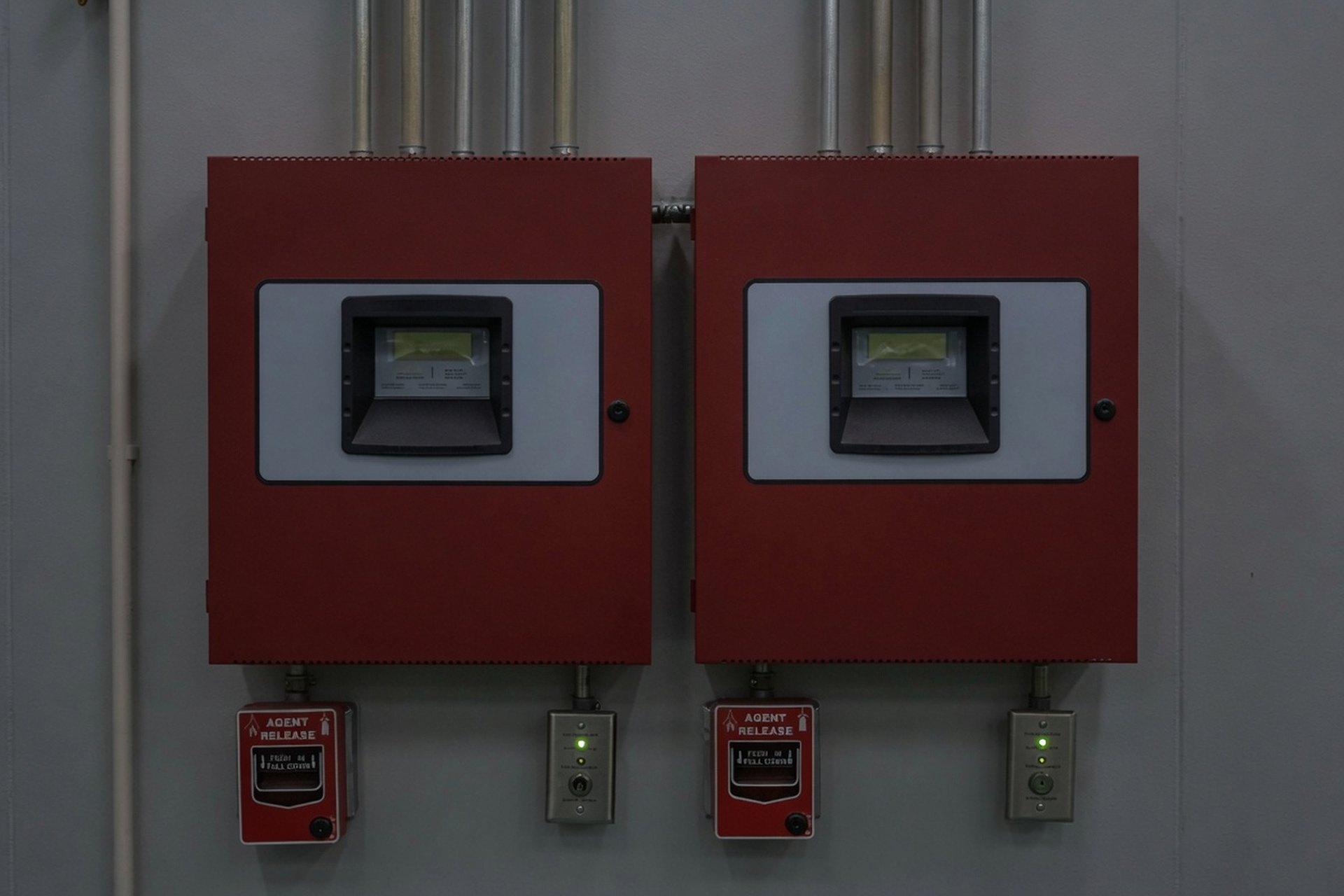
AT&T can begin discontinuing copper landline service (often called POTS lines) in covered wire centers on November 15, 2026 or any day after. The approval covers wire centers serving about 90,000 customers in 18 states, including North Carolina and South Carolina. AT&T sets the date for each line, so ask for it in writing. If your buildings still use copper for a fire alarm, an elevator phone, a fax machine, or the front office, find out now whether you are in a covered wire center, then plan your POTS replacement on your schedule instead of the carrier’s.
This batch will not be the last, from AT&T or from anyone else. The federal rules changed this year to make the next ones faster.
What the FCC approved
On December 1, 2025, AT&T asked the FCC for authority to discontinue legacy copper voice service in wire centers serving about 90,000 customers. The application qualified for streamlined treatment and was granted automatically on January 12, 2026, as Broadband Breakfast reported. Customers in those wire centers were notified in November 2025 that service could be discontinued starting November 15, 2026. AT&T is offering its AT&T Phone-Advanced service or a wireless line as the replacement.
The 18 states in this batch are Alabama, Arkansas, Florida, Georgia, Indiana, Kansas, Kentucky, Louisiana, Michigan, Mississippi, Missouri, North Carolina, Ohio, Oklahoma, South Carolina, Tennessee, Texas, and Wisconsin. California is on a separate track with a later date.
Not every AT&T copper line in those states is in this batch. The approval is by wire center, which is the local switching office that serves your address.
How to tell if your landlines are affected
Start with the notice. AT&T mailed it in November 2025 to the account holder, which is often a business office or finance contact, not the person who runs the building.
Then ask AT&T for the Customer Service Record (CSR) on every billing number. The CSR lists each line on the account and its service address, and it is the fastest way to find circuits nobody has on a list. With the CSR in hand, ask AT&T whether each service address is in the November 15 discontinuance. Do not guess.
Check every account. School districts and counties often have copper lines billed separately by building, and an alarm line at one campus can sit on an account nobody has opened in years.
AT&T is first. Other carriers are on the same path.
On March 26, 2026, the FCC unanimously adopted an order (FCC 26-19) that makes it easier for any carrier to retire copper. It removed some network change filing requirements and gave carriers blanket authority to grandfather legacy copper voice, which means they can stop selling it to new customers. AT&T and Verizon both issued statements supporting the order. Verizon had already used earlier FCC waivers to speed up one of its own discontinuance applications, according to the same Broadband Breakfast report on the AT&T approval.
At a Morgan Stanley conference in March, AT&T COO Jeff McElfresh said the company had approval to stop selling new service at 85 percent of its 5,000-plus wire centers, per Broadband Breakfast. AT&T plans to shut down most of its copper outside California by the end of 2029.
If your buildings are not in this batch, plan as if they are in a later one. Lines that stay in service in the meantime tend to get more expensive, which we covered in why rising POTS line costs are forcing upgrades.
What still runs on copper in most buildings
The desk phones are usually the smallest part of the problem. The lines that matter most tend to be the ones nobody sees:
- Fire alarm communicators that report to a monitoring center
- Elevator emergency phones
- Burglar and intrusion alarm dialers
- Fax machines
- Overhead paging amplifiers tied to a phone line
- Gate and door entry phones
- Alarm dialers at water and wastewater lift stations and other remote sites
- The main office line or a backup line kept for emergencies
Count lines, not handsets. A building with one visible phone can have several copper circuits in a closet, a fire panel, and an elevator shaft.
A recent walk-through with a community college turned up 25 copper lines. Fifteen served fire alarms and elevators, and we moved them to our cellular path with battery backup. Six more elevator lines went to a standard analog telephone adapter (ATA). The last four were no longer in use at all.
What a replacement has to do
The detailed version is in our complete guide to POTS replacement.
Plan for power outages. A copper line gets its power from the phone company, so it keeps working when the building’s power goes out. Most replacements do not. For every fire alarm, elevator, and emergency line, ask the vendor how long the replacement runs on battery and where that battery sits.
Fire alarm lines carry the most rules. A fire alarm line replacement has to meet NFPA 72 and UL 864 and pass your fire marshal’s inspection. Your fire marshal decides what is accepted locally. Confirm the details with the marshal and your alarm monitoring company before anything changes. We recommend battery backup and a cellular communication path for every fire alarm line.
Elevator phones have to keep reaching a person. The emergency phone in each car has to connect to someone who answers around the clock, and the rules vary by state and local code. Ask your elevator vendor whether the current phone can work through an adapter or needs replacing, and confirm what your state elevator inspector requires before the line changes.
Front office phones still have to meet 911 law. When desk lines move to a hosted system, Kari’s Law requires direct 911 dialing with an on-site alert, and RAY BAUM’S Act requires a dispatchable location on every 911 call. Test both after cutover. Our post on Kari’s Law and RAY BAUM’S Act shows how.
What to do before November 15
- Call your alarm monitoring company. Give them the date and ask what replacement path they will accept. Life-safety lines need an installer and an inspection, so they set your schedule. For elevator phones, check with your elevator vendor or your state and local requirements.
- Find the AT&T notice and request the CSR for every billing number, then ask AT&T about each service address.
- Walk every building and list each copper line, what it connects to, and which account it bills to.
- Check the internet circuit at each site. The replacement rides on it, so a weak or single-path connection needs attention first. Lift stations and other remote sites with no internet connection need a cellular path.
- Decide which lines move first. Life-safety lines go to the top of the list.
The approval gives AT&T a start date. Ask your AT&T account team for the planned disconnect date on each line, in writing, and build your procurement timeline from that. Don’t sign a replacement contract at the counter just to beat a date.
If you are in a covered wire center and have less than a month
Start with the lines that protect people. Call the alarm monitoring company and your fire panel service company the same day about each fire alarm line. Ask what replacement communicator they will accept, whether they can install it before AT&T’s date for that line, and when the fire marshal can inspect it. Have the same conversation with your elevator vendor about each elevator phone.
If a replacement cannot be in place before the disconnect date, tell your alarm monitoring company and your fire marshal before the line goes down, and ask what they require in the meantime. A fire alarm line should never drop without that call.
Everything else can follow once the life-safety lines are covered.
If you want help, we will walk your buildings with you, list every copper line and what it connects to, and tell you which ones to move first. Contact us or call 855-878-8477.
Frequently Asked Questions
When will AT&T shut off copper phone lines?
AT&T has FCC approval to discontinue copper landline service in covered wire centers on or after November 15, 2026. That is the earliest date. Ask your AT&T account team for the planned disconnect date on each of your lines, in writing. AT&T plans to retire most of its copper outside California by the end of 2029.
Which states are in the November 15, 2026 AT&T copper discontinuance?
Alabama, Arkansas, Florida, Georgia, Indiana, Kansas, Kentucky, Louisiana, Michigan, Mississippi, Missouri, North Carolina, Ohio, Oklahoma, South Carolina, Tennessee, Texas, and Wisconsin. Only covered wire centers in those states are included.
Will my fire alarm stop working when AT&T shuts off copper?
If the fire alarm reports over a copper line in a covered wire center and nothing replaces that line, the alarm can lose its connection to the monitoring center. Talk to your alarm company now and plan a replacement that meets NFPA 72 and UL 864 and passes your fire marshal’s inspection.
Will my elevator phone stop working when AT&T shuts off copper?
If the elevator phone dials out over a copper line in a covered wire center and nothing replaces that line, yes. The phone still has to reach someone who answers around the clock. Ask your elevator vendor whether the current phone works through an adapter or needs replacing, and confirm your state inspector’s requirements before anything changes.
Are other carriers retiring copper lines?
Yes. The FCC order adopted on March 26, 2026 applies to all carriers and makes it easier to stop selling and discontinue copper voice service. Verizon publicly supported the order and has used earlier FCC waivers to speed up one of its own discontinuance applications.
Do I need to do anything if I did not get an AT&T letter?
Confirm it first. The letter went to the account holder, which may not be the person who manages the building. If your wire center is not in this batch, use the time to inventory your copper lines. Later batches are expected through 2029.